TruTrade promotes organic farming for a number of reasons:
- Organic food is healthy and safe and does not contain harmful hormones and pesticides. Pesticides are poisonous – by nature they’re designed to kill. Pesticides in your food can cause neurological problems, cancer, infertility, nausea, vomiting, diarrhoea, allergies and asthma, wheezing, rashes and other skin problems, birth defects and more.
- Organic farming techniques improve the soil: This is of vital importance because soil is at the heart of all food preparation. Conventional chemical-intensive methods deplete soil, organic principles give life to the soil and healthy soil produces healthy food.
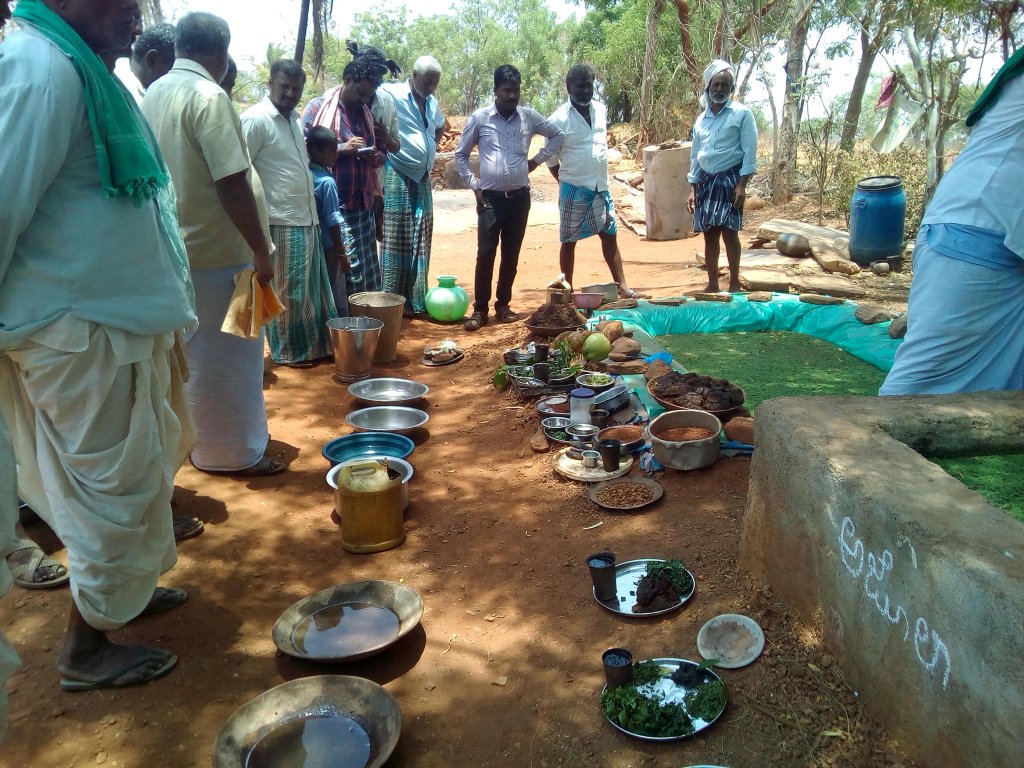
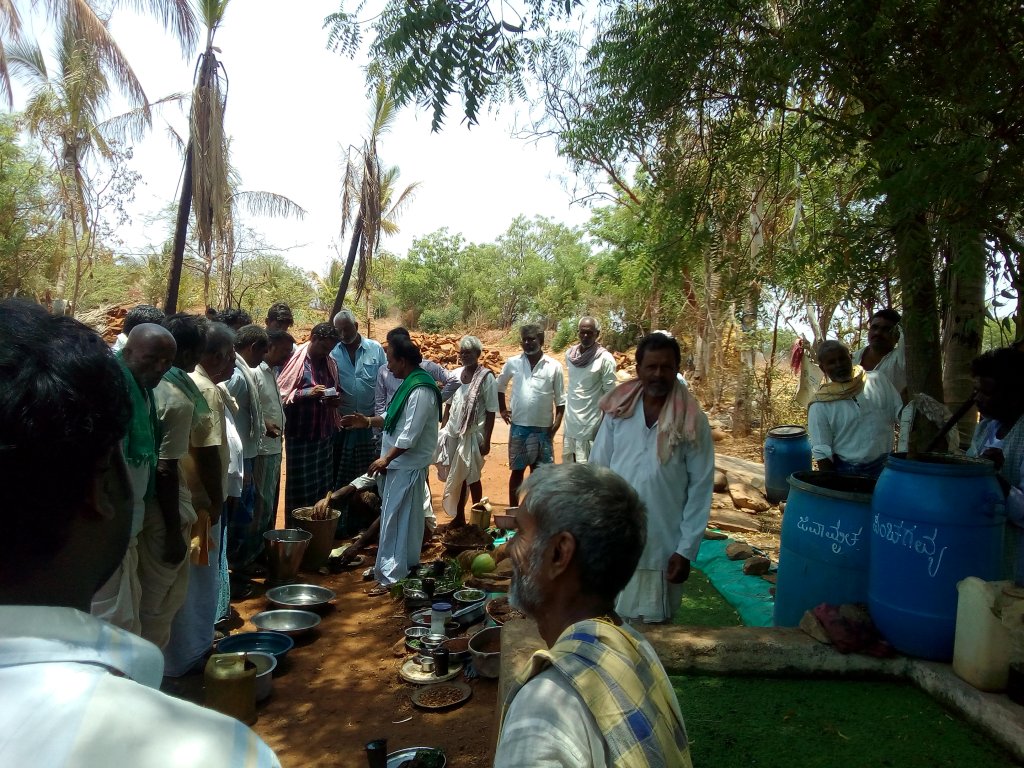
- Reduce reliance on chemical and agribusiness corporations is better for the farmers, as agribusiness corporations concentrate and consolidate power at both the input and output ends, they have been able to amass huge fortunes at the expense of farmers. Organic farmers rely on producing on-farm inputs thereby reducing their external dependence and it gives farmers independence from the powerful chemical and agribusiness corporations. Some of the very common on-farm inputs that organic farmers produce are: a) compost b) jeevamrutha c) panchagavya d) beejamrutha e) neem seed kernel extract f) bio-digester extract g) liquid manure to provide micro-nutrients and g) other botanical preparations such as adathoda, chilli garlic, clerodendron and lantana preparations.
- Waterways are not contaminated by chemical runoff from conventional farms, which includes pesticide runoff, as well as nutrient and pathogen runoff associated with the raising of livestock in an industrial manner.
- Organic foods are not irradiated: Irradiation damages the quality of food and a diet high in irradiated food has not been proven safe over the long term.
- Biodiversity is improved: Diverse systems are more resilient as they are less prone to disease and infestations. Irradiation using radioactive materials is an environmental and health hazards.
- Organic foods are free of genetically modified organisms (GMO’s): The vast majority of prepared and processed conventional foods contain GMO’s. Many consumers remain sceptical of this new technology, as the long term health and ecological implications are largely unknown.
- We pay the cost one way or another: Whereas organic farming internalizes the cost of growing food and treating animals well, conventional chemical farming tends to externalize these costs. The air, soil and water pollution, the proliferation of disease from factory farms, the clean-up of air, soil and water to the farm and farm communities cost billions of rupees per year, which comes from the taxpayer’s money.